Macroeconomics Outlook 2015 Q4
Macroeconomics Outlook 2015 Q4
In January, the S&P 500 fell 10%, European stocks dropped 11%, Japanese stocks slumped 12%, the Shanghai stock exchange suffered losses exceeding 15%, oil prices crashed another 30% to below $30 a barrel, the Canadian dollar depreciated 11 straight days against the US dollar to levels last seen a decade ago, and investors dumped junk bonds, fleeing to the safety of US treasuries, which sent the 10-year yield below 2%. The damage has been both brutal and global.
In our last investor update, we warned of a short-term correction in the markets following a Fed rate increase, but the panic in January spanning multiple asset classes has been alarming. While the dramatic decrease in investor confidence portends to more near term pain, it will give way to opportunity in the second half for long term investors. We do not anticipate a 2008-style crisis in this cycle, a conclusion detailed later in this report.
2015 was a dud for all asset classes, except for cash/short-term bonds in US dollars. If your portfolio, as a whole, had a positive return, you fared well. At Bridge Tower, our steady performance differentiated us from the volatility of the markets. All four of our funds had an outstanding year. We continue to believe an investment in Bridge Tower’s real estate fund can be a cornerstone in your retirement portfolio, providing high current income while guarding against the dangers of inflation.
Investment Activity
In 2015, the Fund’s average purchase price and all in cost of a single family home was approximately $155,000 per home (≈$95/ft²), well below our replacement cost estimate of $105/ft². Construction costs continue to rise in Dallas, yet at $105/ft², they remain substantially cheaper than the national average ($125/ft²). On a value weighted basis, the homes in our portfolio have risen 5% to about $163,000 in 2015.
We have deployed the remaining capital in the BT Select Fund and will start receiving income from these assets shortly. We have leased 100% of our rent-ready properties and continue to project long-term occupancy rate at >96% for our portfolio. The Fund’s gross rental yield of ≈12.3% remains favorable and significantly higher than our larger, publicly traded competitors. Additionally, because our properties are generating a cash net yield above 8.5% (after the initial construction/renovation and stabilization period), we can provide our investors with a safe high dividend.
Bridge Tower will add 150-200 homes to our inventory this year. For our investors, this signifies a premium opportunity to profit from the thriving DFW market.
Macroeconomics Outlook
On December 16th, the Federal Reserve raised short-term rates for the first time in almost a decade. The incremental change from 0% to 0.25% was largely symbolic. Although most borrowers will not see much change in the interest they pay for credit cards, car loans or mortgages, investor sentiment has worsened considerably around the globe in the month following the rate increase. The same worries we highlighted in the past year have now caused investors to dump risk assets from stocks to corporate bonds in both developed and developing economies.
To reiterate, at Bridge Tower, we DO NOT foresee a 2008-style crash in 2016. In fact, after the breathtaking rise of various stock indexes from a 2009 low, as well as some irrationally priced stock and junk bond prices, we anticipated this correction in the markets. We welcome it as a sign that markets can function despite constant meddling from the central banks. Our analysis is as follows:
1) Worries about the impact of the Chinese economy on the US are overblown. US exports only ≈$100 billion of goods annually to China (<1% of US GDP) and we estimate that China only accounts for about 1% of the profits in S&P 500 companies. So, beyond psychological, any direct spillover from China to the US will be minimal.
2) The fall of oil and commodities prices is actually a net positive to the US economy in aggregate. The persistence of low oil prices is similar to a multi-hundred billion dollar tax cut. Based on our estimates, the drop in oil prices has added about $800 in disposable income to the average US household and will lead to better economic growth in 2016 and beyond.
3) The asset that propagated the last crisis—fraudulent subprime mortgages—are no longer a problem. More importantly, the problems of this decade, student loans, subprime car loans, and oil/gas corporate bonds, though not investments I want in my portfolio, do not rival MBS in size or ability to wreak havoc on the financial system.
4) While stocks and junk bond valuations are rich (especially in the US), investor sentiments have not reached levels that signal an impending bust a la Nasdaq (2000) or Shanghai (2015).
In essence, expect more volatility, but not a crash.
2016 US Housing Outlook
Capping a two-year resurgence in job growth that rivals the late 1990s boom, US economy added 292,000 jobs in December. Unemployment has plummeted from a recession high of 10+% to just 5%. Still, many Americans express strong dissatisfaction with the larger economy. 2015 had sluggish wage growth at a meager 2.5% and US GDP growth will likely muddle around 2% for the next few years due to slumping European and emerging market economies. IMF has now downgraded global GDP growth to around 3%, just barely above the level where people historically are positive about their economic prospects. Fortunately, inflation will remain low in the US, aided by the 25% surge in the US Dollar against other currencies along with the collapse in commodity prices. 2016, though faced with more volatility, will be just another ho-hum year in the stagnation decade for the US.
Ultimately, we remain bullish on US housing for the following reasons:
1. Strong new household formation: Employment gains have lured millennials out of their parents’ basements. We expect to see around 1.3 to 1.5 million new households formed in the US for 2016, a significant increase from the post-recession average of 720,000.
2. Fed will not raise rates beyond 1%: The strong US dollar, low inflation and low commodity prices will limit the speed of future rate hikes. The Fed will also continue its policy of reinvesting proceeds from Treasury maturities, amounting to over $216 billion in 2016. With interest rates staying at historically low levels and the treasury rollovers, the crisis era, easy-money policy lives on.
3. Mortgage rates will average below 4.5%: 10-year treasury rates have dipped below 2% from the recent market turmoil and will likely stay below 2.5% in the near-term. That should keep mortgage rates hovering below 4.5% for the year.
4. Home sales and home prices will both increase: New jobs, affordable mortgages, rising rents, and savings from gas prices will all contribute to buyers’ eagerness to purchase a new home. We project home sales volume to increase 5% in 2016 and home prices to appreciate 3% in the US.
5. Rents will increase faster than inflation: The number of rental households increased to 43M, up 9M from 2005, sending US vacancy rates to an all-time low 7%. Many desirable neighborhoods have vacancy rates well below 5%. Moreover, homebuilders have moved away from building sub-$200,000 homes and cheap apartments, dwellings that typically get turned into rental stock after a few years. The lack of new, affordable rental properties and the increased number of renters led to a shortage of rentals in 2015. The result? Rental prices growing quicker than inflation in the last 4 years. We are expecting more of the same in 2016—rents will likely continue to grow faster than inflation.
Outlook for the Dallas-Fort Worth Market
“We’re willing to move. We just want to live the American Dream.” -Toyota Employee, Torrance, CA
Imagine being able to buy a home after resigning to be a renter for life. That’s exactly what Toyota employees will do next year when they move from Los Angeles County, California to Plano, Texas (a suburb of Dallas). After focus groups revealed that employees were willing to move in favor of more affordable real estate, Toyota decided to make the jump from California to Texas, taking over 3,000 jobs along with them. And why shouldn’t they? The math is simple. The median home in Dallas is around $200,000 (3.5X income) but costs over $550,000 in Torrance (7X income). The decision spurred other major businesses to join them in Plano. The business park Toyota plans to occupy will ultimately house over 100,000 employees.
The number of transplants to the DFW is exacerbating the housing shortage in DFW. The situation is dire and calling the demand for real estate “high” is an understatement. In 2015, median homes prices jumped about 9% ($113 per square foot) to $204,000. Homes go under contract within a week and are sold within 45 days on average. Inventory remains low at 2.5 months, far below the 5-6 months needed to relieve the pricing pressure. We expect home prices to rise another 4-6% in the DFW through 2016.
We anticipate DFW housing demand to stay high from continued population growth underpinned by the creation of 100,000 new jobs in 2016. The latest employment data actually showed a net gain in the mining, logging, construction category when we expected to see job losses from the oil industry. From the data, we can conclude that laid-off workers in the oil industry are transitioning successfully to other jobs, most likely in construction.
Dallas certainly needs more construction workers! Homebuilding continues to lag pre-recession levels mainly due to a shortage of labor and lots. In 2015, DFW builders started 28,000 homes, still far below the 50,000 pre-recession average. Efforts to provide enough homes for the large number of transplants to the area will support the housing market at least through 2018.
One worrying sign for the DFW’s affordable home reputation, but very good for Bridge Tower and our investors, is that builders have only started around 800 new homes in the 4Q2015 that cost less than $200,000 (less than 15% of all new home starts). The shortage of these affordable homes will force more households to put off buying, remain as renters, thus exerting upward pressure on rents.
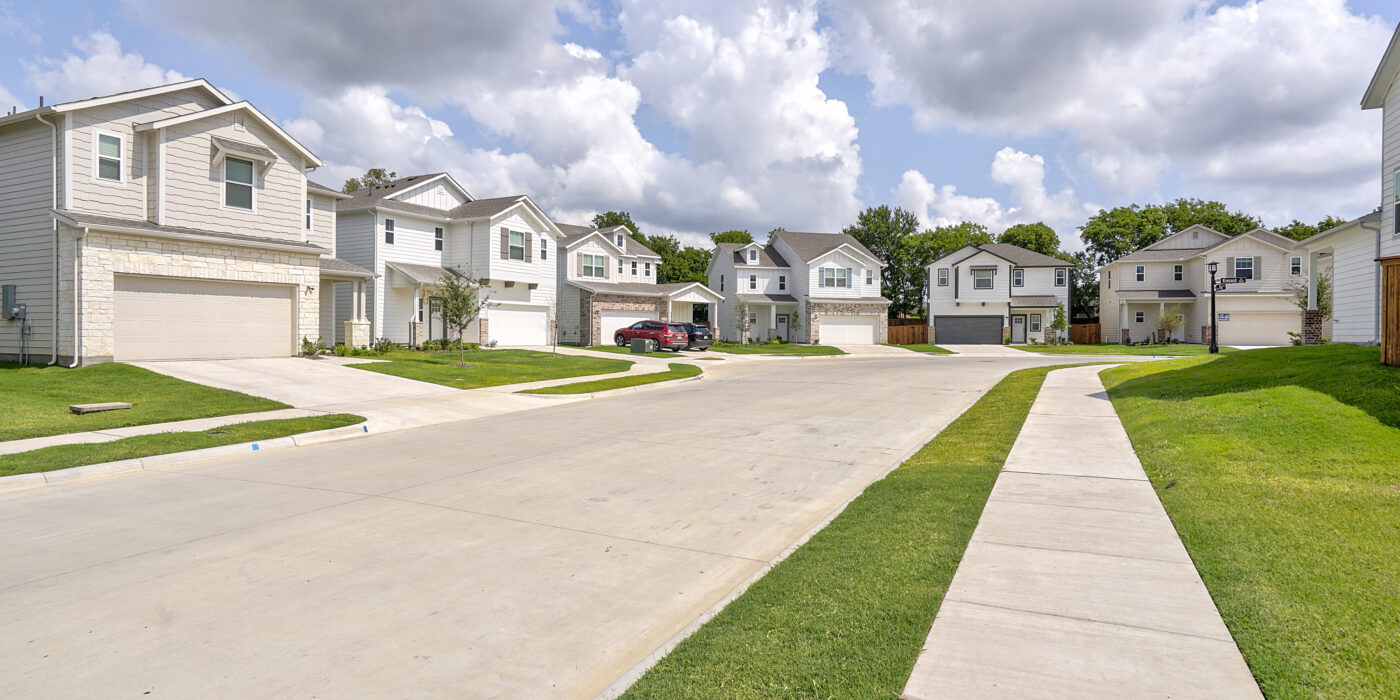
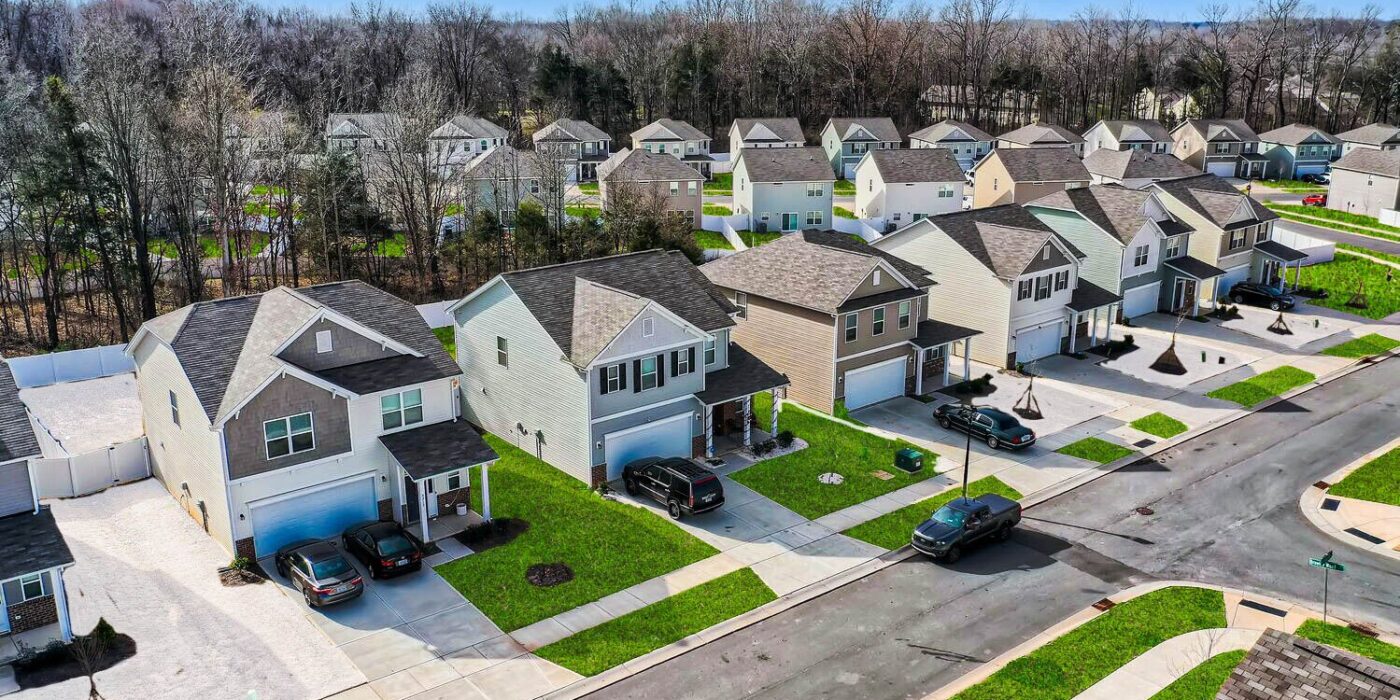
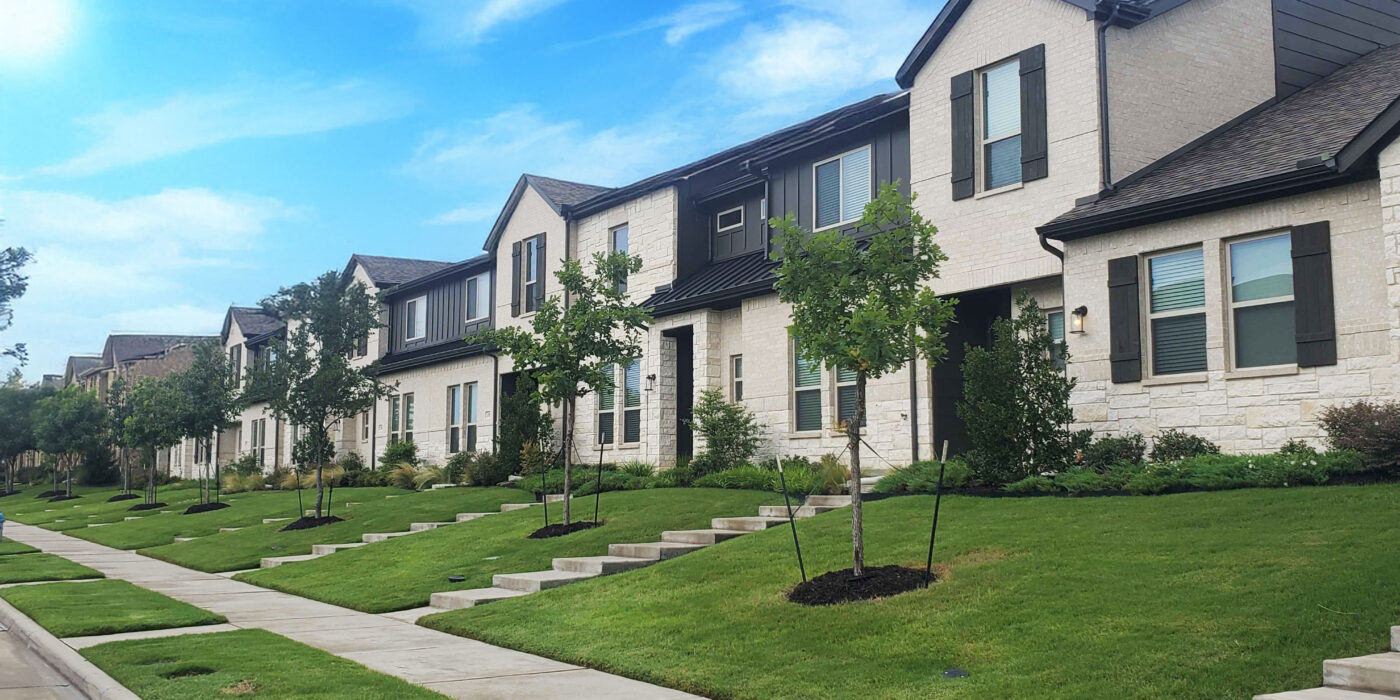
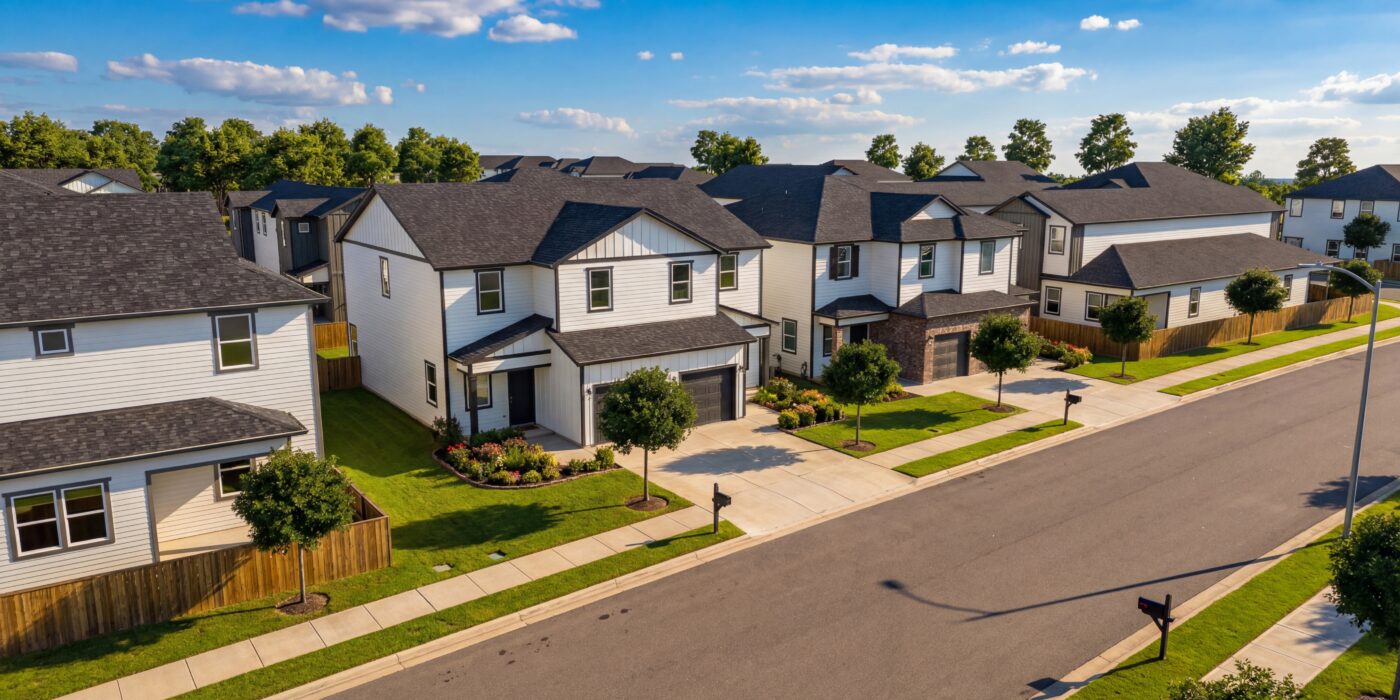
We are taking advantage of the void left by our competitors by building multiple single-family rental communities that cater to young millennials unable to buy a starter home. Our rental homes offer renters a brand new home, modern open layout design, upgrades such as granite countertops and laminate floors, and professional management that only exists in Class A apartment buildings. Lennar, a top-ten builder in the US, has successfully developed the first large single-family rental community in Sparks, NV. We believe the same model will be hugely successful in DFW.
Our Framework for Selecting Property
Continuing to exercise discipline in our acquisitions, rehabs and new construction, we seek: desirable location (good schools, safe neighborhood, quiet street), appealing home for the location (size, number of rooms, amenities), gross rental yield of 12% or more, and a purchase price significantly below replacement and market value.
Update on Business Building and Operations
BT Select Fund is now closed to new investors. To capitalize on a unique market, our latest US fund will launch in February of this year and will provide one more opportunity to invest in US real estate at exceptional gains. If you have been considering expanding your portfolio, or know of another accredited investor who wishes to invest in a Bridge Tower fund, we urge you to contact us as soon as practical.
We look forward to giving you an update next quarter. In the meantime, please don’t hesitate to contact us should you have any questions, comments or concerns. As always, we welcome the opportunity to speak with our partners.
IMPORTANT LEGAL NOTICE
This communication and the information contained herein are confidential and proprietary to Bridge Tower Partners, GP, LP (together with its affiliates, “Bridge Tower”, “we”, “our” or “us”) and are being provided to the recipient by Bridge Tower upon the request of the recipient in confidence on the understanding that the recipient will observe and comply with the terms and conditions set forth in this paragraph and the following paragraphs. By accepting this communication, the recipient agrees that the information contained herein is for the exclusive use of the recipient and, without the prior written consent of Bridge Tower, the recipient shall not (i) copy, distribute, make available or otherwise disclose any information in this communication to other parties, or (ii) use such information for any purpose other than the specific purpose of evaluating a potential investment opportunity with Bridge Tower or learning more about Bridge Tower. This communication must be returned to Bridge Tower upon Bridge Tower’s request. Notwithstanding the foregoing, the recipient of this communication may disclose to any and all persons, without limitation of any kind, the tax structure and tax treatment of any investment opportunity with Bridge Tower and all related materials of any kind that are provided to the recipient.
This document and the information contained in this document do not constitute, or form part of, any offer to sell or issue, or any solicitation of an offer to buy or subscribe for, any shares or other securities in any Bridge Tower-sponsored fund or investment vehicle. In deciding whether to invest, prospective investors will be provided with a Confidential Private Placement Memorandum or other offering materials, which include information about risks associated with an investment and the material terms of the relevant fund or investment vehicle’s constituent documents. The recipient acknowledges that this communication does not contain certain material information about Bridge Tower’s investment processes or any specific investment opportunity, including important disclosures and risk factors, which are contained in the definitive investment documentation. The information contained in this communication is subject to all such definitive investment documentation.
The value of investments may fall as well as rise. Any investment with Bridge Tower is suitable only for sophisticated investors and requires the financial ability and willingness to accept for an indefinite period of time the risks and lack of liquidity inherent in the strategy and instruments of such investments.
Certain information (including any statements of opinion and/or belief) contained herein is based on or was obtained or derived from data published or prepared by other parties. While the unaffiliated third-party sources are believed to be reliable, neither Bridge Tower nor any of its directors, officers, employees, partners, shareholders or agents has independently verified such information nor assumes any responsibility for the accuracy of any such information and no such party shall have any liability to any recipient of this communication or any other person relating to or resulting from the use of or reliance on any such information contained herein or any errors therein or omissions therefrom.
No representation, warranty, assurance or undertaking (express or implied) is given (and can therefore not be relied upon as such), and no responsibility or liability is or will be accepted by us or any of our affiliates or our respective officers, employees or agents as to the adequacy, accuracy, completeness or reasonableness of the information, statements and opinions expressed in this document. Any opinions expressed in this document do not constitute legal, tax or investment advice and can therefore not be relied upon as such. The information contained in this document (which does not purport to be comprehensive) is believed to be accurate only on the date hereof and does not imply that the information herein is correct at any time after the date hereof and such information is subject to change at any time without notice. The views expressed herein are subject to change based on market and other conditions and we give no undertaking to update the information, to reflect actual events, circumstances or changes in expectations or to provide additional information after its distribution, even if the information becomes materially inaccurate.
To the extent that this communication includes information about prior investments or activities of Bridge Tower (or its affiliates) or projections of anticipated future performance and other forward-looking statements, such projections and forward-looking statements included herein, or otherwise made orally or in writing from time to time, are not guarantees of future performance and involve certain risks, uncertainties and assumptions that are difficult to predict as well as factors that are beyond Bridge Tower’s control. Past performance is no guarantee of future performance and should not be relied on in deciding whether to invest. Any gross returns presented herein do not reflect the deduction of any management fees, fund expenses, carried interest, or other expenses that may be borne by third-party investors. An individual investor’s actual performance may vary materially based on any number of factors, including the timing of capital contributions and distributions as well as the deduction of all applicable fees and expenses.
The recipient acknowledges and agrees that no person has, nor is held out as having, any authority to give any statement, warranty, representation, assurance or undertaking on our behalf in connection with any potential investment. This communication is intended to be used in one-on-one communications by Bridge Tower, and to be provided by Bridge Tower to single recipients who have the opportunity to discuss its contents with Bridge Tower.